Product Description
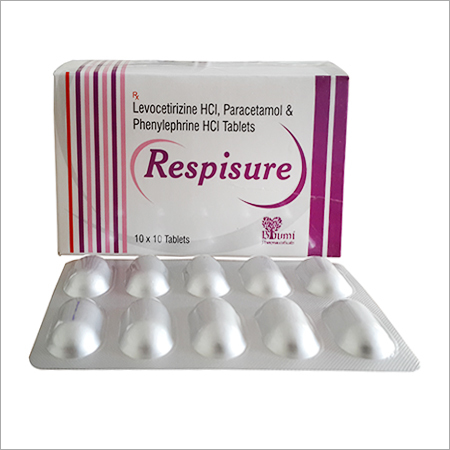
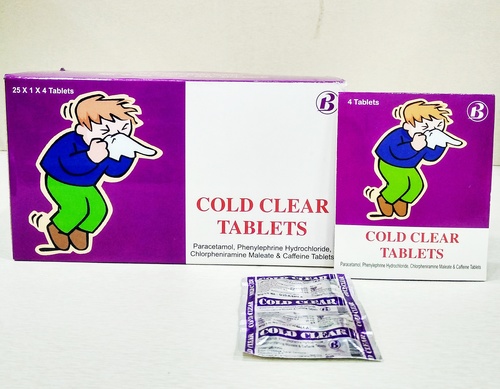
Levocetrizine + phenylephrine + Paracetamol
This active compound of cetrizine is a powerful, non-sedative and particular H1 receptor antagonist. It disaffect the allergic indications made by histamines like cold, cough, runny nose etc. It also controls eotaxin-induced eosinophil TEM through both lung micro vascular endothelial and epidermal cells. Thus the inhibition of eosinophil chemotaxis as well as inflammation is caused by it.
Side Effects of Levocetirizine
- Some of the reported common side effects of the medicines are:
- Abdominal pain
- Headache
- Dry mouth
- Tiredness
- Sore throat
- Drowsiness
- Frailty
- Rhinitis causing a closed or fluid nose
- Migraine
Contra-indications of Levocetirizine
- Allergy to medicine or some other medicines that incorporate piperazine derivatives.
- Genetic galactose intolerance
- Hereditary Lapp Lactaid inadequacy
- Inherited glucose-galactose absorption
- Sternly weakened kidney function
Phenylephrine : Mechanism of Action of Phenylephrine
The drug employs its pharmacological action by acting as an exclusive alpha-1 adrenergic agonist. It grounds vasoconstriction and enhances the whole peripheral opposition and raises blood pressure. It cut down intraocular stress by binding ciliary body blood vessels and make mydriasis (without cycloplegia). It also applies nasal decongestant act; by vasoconstrictory activity on arteries of nasal mucosa. The medicate extends and localizes the act of anaesthetics due to its vasoconstrictory action on mucous membrane and skin. Thus it is also responsible for making a reduction in the rate of assimilation of local anaesthetics.
Side Effects of Phenylephrine:
- Anaphylaxis
- Bradycardia
- Tachycardia
- Arrhythmias
- Hypertension
- Tremblings
- Premature ventricular muscular contraction
- Paleness
- Vexation
- Giddiness
- Anxiety
- Brow ache(with ophthalmic form)
- Burning or tingling in eye
- Blurred sight
- Raised intraocular pressure
- Sickness
- Occurrences of asthma
- Tachyphylaxis
Contra-indications of Phenylephrine
- Hypersensitivity to the medicate
- Hyperthyroidism
- Severe hypertension and Ventricular tachycardia (Injected form)
- Angle closure eye disease in those who use soft contact lenses (ophthalmic variety)
Paracetamol : Mechanism of Action of Paracetamol
Paracetamol has antipyretic and analgesic action. It is more active on cyclo-oxygenase enzyme in the brain. Centrally it is a poor activator of prostaglandin synthesis.
Analgesic action: Paracetamol increases the pain threshold and makes analgesic effect.
Antipyretic action: Paracetamol reduces fever by direct action on the thermoregulatory centre in the Hypothalamus as well as subdues the effects of endogenous pyrogen.
Side Effects of Paracetamol
- Nausea
- Abdominal distress
- Allergic reactions
- Rash
Contra-indications of Paracetamol
Hypersensitivity to Paracetamol
| BRAND NAME | RESPISURE TABLET |
| Active Ingredients | Levocetrizine + phenylephrine + Paracetamol |
| Strength | Levocetrizine 5mg + phenylephrine 5mg + Paracetamol 325mg |
| Packing | Blister , Alu Alu Pack |
Comprehensive Relief from Multiple SymptomsThis tablet offers effective management of symptoms such as allergic rhinitis, headache, nasal congestion, fever, and other cold-related conditions. The combined action of anti-allergic, decongestant, and analgesic properties ensures rapid and broad-spectrum relief for patients.
Safe and Certified ManufacturingManufactured by registered pharmaceutical companies in India, these tablets meet WHO-GMP and ISO certifications, ensuring quality and safety. The batch number is printed on each package, and the Maximum Retail Price adheres to local regulatory guidelines.
Convenient Usage and StorageOrally administered, these tablets are easy to use and suitable for both adults and children. Recommended dosage is 1 tablet 12 times daily, as prescribed by a physician. Store in a cool, dry place and protect from light to maintain potency throughout the 24-month shelf life.
FAQs of Levocetirizine + phenylephrine + Paracetamol:
Q: How should Levocetirizine + Phenylephrine + Paracetamol tablets be taken for best results?
A: Take the tablet orally with or without food, following your physicians instructions. The typical dosage is 1 tablet 12 times daily, but always adhere to the prescribed schedule.
Q: What benefits do these tablets offer for cold and allergy symptoms?
A: These tablets relieve runny nose, nasal congestion, headaches, fever, and allergy symptoms by combining anti-allergic, decongestant, and analgesic effects, making them ideal for managing multiple complaints simultaneously.
Q: When is it necessary to consult a doctor before using these tablets?
A: Always consult a doctor before using, especially if you have hypersensitivity to any ingredient, ongoing medical conditions, or are taking other medications. Prescription is required for safe and effective use.
Q: Where can these tablets be stored to maintain their shelf life?
A: Store the tablets in a cool, dry place away from direct sunlight, as recommended, to preserve their effectiveness over the full 24-month shelf life.
Q: What side effects may occur with this medication?
A: Possible side effects include drowsiness, dry mouth, nausea, and constipation. If any of these persist or become severe, seek medical advice promptly.
Q: Is this medicine suitable for children and adults alike?
A: Yes, these tablets are formulated for both adults and children. Dosage and duration should be guided strictly by your physician.
Q: What process ensures the quality and safety of these tablets?
A: The tablets are produced under WHO-GMP and ISO-certified procedures by registered pharmaceutical companies, ensuring high standards of quality, safety, and efficacy.




 Send Inquiry




 Send Inquiry
 Send Inquiry
 Send SMS