Call Us
Call Us
Dextrose Injection

Dextrose Injection

5.00 - 20.00 INR/Box

Product Details:

  • Pacakaging (Quantity Per Box) Varies; generally 10 or 25 units per box depending on volume
  • Indication Dehydration, hypoglycemia, dietary caloric supplement, supportive therapy
  • Salt Composition Dextrose (various percentages)
  • Origin of Medicine Allopathic
  • Dosage Form Injection
  • Drug Type Intravenous solution
  • Ingredients Dextrose (glucose monohydrate), Water for Injection
  • Click to View more
X

Dextrose Injection Price And Quantity

  • 50,000 Box
  • 5.00 - 20.00 INR/Box
  • Clear, colorless solution
  • Medical institutions, clinics, hospitals, and emergency care
  • Intravenous
  • Sterile, non-pyrogenic aqueous solution
  • 3.2 6.5
  • 24 to 36 months
  • Generic and proprietary brands available
  • Approved under relevant State Drug Standard Control Authority
  • Not for use in patients with hypersensitivity to dextrose, anuria, or severe dehydration with shock
  • Use with caution in patients with diabetes mellitus or renal impairment

Dextrose Injection Product Specifications

  • Allopathic
  • As prescribed by physician, typically 5% to 50% concentrations
  • Liquid (sterile solution)
  • Intravenous infusion only; administer according to medical guidance
  • Adults and pediatric patients
  • Parenteral nutrition, fluid and energy replenishment
  • 100 ml, 250 ml, 500 ml, 1000 ml bottles or pouches
  • Store below 30C, protect from light and freezing
  • Intravenous solution
  • Injection
  • Varies; generally 10 or 25 units per box depending on volume
  • Dextrose (glucose monohydrate), Water for Injection
  • Dextrose (various percentages)
  • Treatment of dehydration, hypoglycemia, fluid and caloric supplementation
  • Dehydration, hypoglycemia, dietary caloric supplement, supportive therapy
  • Clear, colorless solution
  • Medical institutions, clinics, hospitals, and emergency care
  • Intravenous
  • Sterile, non-pyrogenic aqueous solution
  • 3.2 6.5
  • 24 to 36 months
  • Generic and proprietary brands available
  • Approved under relevant State Drug Standard Control Authority
  • Not for use in patients with hypersensitivity to dextrose, anuria, or severe dehydration with shock
  • Use with caution in patients with diabetes mellitus or renal impairment

Dextrose Injection Trade Information

  • 100000 Box Per Day
  • 30 Days

Product Description

Dextrose 5%  infusion 

Dextrose 5% infusion is a simple sugar, which is chemically similar to glucose, or blood sugar. It may be recommended when a person is dehydrated or has reduced blood sugar. Dextrose powder is erstwhile utilized as a nutritional supplement by muscle builder or body builder who are looking for a gain in their weight and muscle. Dextrose is the figure of a simple sugar, which is made from corn and is chemically indistinguishable to glucose, or blood sugar. It is often utilized in baking products as a sweetener, and can be usually found in items such as refined foods as well as corn syrup. Dextrose 5% infusion has may medical purposes and is dissolved in solutions that are conferred intravenously that can be united with other medicates, or utilized to increase blood sugar in a person.

Uses

Dextrose is utilized in different concentrations for assorted purposes. For example, a doctor may recommend dextrose in an IV solution when the patient is dehydrated and has low-level of blood sugar. Dextrose IV solutions can also be mingled with some drugs, for IV administration. Dextrose is a carbohydrate that is one portion of nutrition in a normal diet. Solutions incorporating dextrose give calories and may be conferred intravenously in accumulation with amino acids and fats. This is known as total parenteral nutrition (TPN) and is utilized to give nutrition to those who cannot assimilate or get amino acids, fats and carbohydrates through their bowel.

Advanced-concentration dextrose injections are only given by professionals. These injections are administrated to people whose blood sugar may be reduced and who are able to swallow the foods, dextrose tablets or drinks.

If a persons potassium levels are excessively high (hyperkalemia), erstwhile doctors also provide dextrose injections of 50 percent, preceded by insulin intravenously. When the cells take in the redundant glucose, they also put up potassium. This assists to lower a persons blood potassium levels. The dextrose is recommended to prevent the person from being hypoglycemic. The insulin is handling the raised potassium.

People with hypoglycemia (chronically low blood sugar) or diabetes may carry dextrose gel or tablets in case their blood sugar gets excessively reduced. The gel and tablets quickly dissolve in a persons mouth and boost the blood sugar levels. If an individual's blood sugar is less than 70 mg/dL and they are experincing low blood sugar symptoms, they may require to take the dextrose tablets. Instances of low blood sugar symptoms include confusion, sweating, weakness and overly-fast heart rates.

Side Effects

Dextrose should be attentively given to people who are suffering from diabetes, because they might not be capable to process dextrose as speedily as would someone without the state. It can increase the blood sugar to an overly level, which is better-known as hyperglycemia.

Symptoms include:

  • Fruity smell on the breath

  • Increasing thirst with no known reasons

  • Dry skin

  • Dehydration

  • Nausea

  • Shortness of breath

  • Stomach upset

  • Unexplained weakness

  • Urinating frequently

  • Vomiting

  • Mental confusion

Precaution

Dextrose is not appropriate with to people who are with certain types of medical conditions. This is because the medicine could possibly cause too-high blood sugar or fluid moves in the body that result in swelling or fluid accumulation in the lungs.

Avoid the products;

  • If you are a patient of hyperglycemia, or if you have high blood sugar.

  • If you have hypokalemia, or reduced potassium levels in the blood.

  • If you have peripheral puffiness, or swelling in the feet, arms or legs.

  • If you have pulmonary swelling, when fluids increase in the lungs.

  • If you are a diabetic and the doctor recommends you dextrose oral gel or tablets, these should only be utilized when you have a reduced blood sugar reaction. The diabetes educator should teach you how to point the signs of low blood sugar and when to take the tablets.

  • If you have an allergic reaction to corn, you could have an allergy to dextrose. Confer with the your doctor before making use of it.


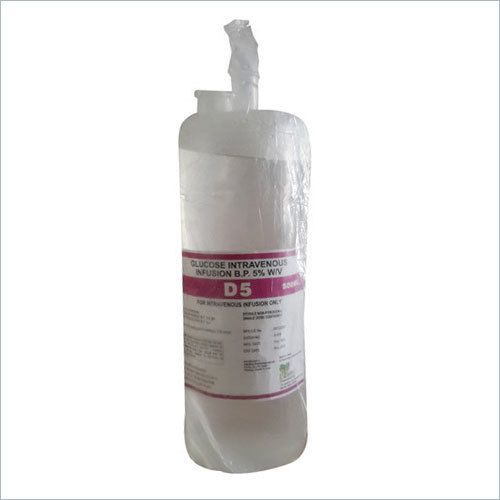
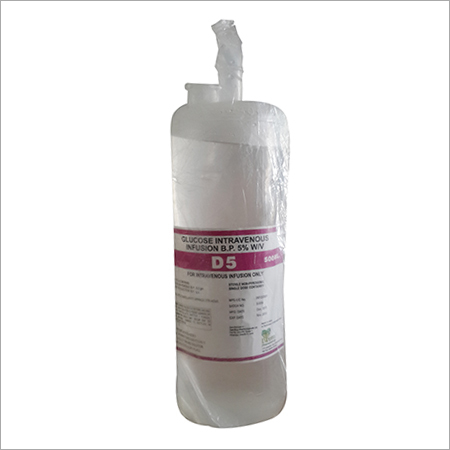
BRAND NAME

D5% INFUSION

Active Ingredients

Dextrose 5% infusion

Strength

Dextrose 5% infusion

Packing

500 ML


How Dextrose Injection Works

Administered intravenously, Dextrose Injection quickly provides essential glucose for energy, counters dehydration, and restores fluid balance in the body. It serves as a parenteral nutrition source, efficiently supplementing calories and fluid when oral intake is restricted or impossible.


Usage and Administration

Dextrose Injection is prescribed and infused by healthcare professionals in clinics, hospitals, or emergency care settings. Dosage varies depending on patient needs and clinical situation, utilizing concentrations between 5% and 50%. It is suitable for adults and pediatric patients, and must be used under strict medical supervision.


Safety and Precautions

While Dextrose Injection is generally safe, caution is needed in patients with diabetes mellitus or renal impairment. It is contraindicated for individuals with hypersensitivity to dextrose, anuria, or severe dehydration with shock. Proper assessment by medical staff ensures safe administration and monitoring.

FAQs of Dextrose Injection:


Q: How is Dextrose Injection administered to patients?

A: Dextrose Injection is administered intravenously by trained medical professionals. The dosage and infusion rate are determined based on the patients needs and prescribed concentration, ensuring safe and effective therapy.

Q: What conditions are treated with Dextrose Injection?

A: This injection is used for treating dehydration, hypoglycemia, providing dietary caloric supplementation, and as supportive therapy in medical emergencies or when oral intake is not possible.

Q: When should Dextrose Injection not be used?

A: It should not be administered to patients with known hypersensitivity to dextrose, anuria (absence of urine), or in cases of severe dehydration accompanied by shock. Medical evaluation is essential before use.

Q: Where is Dextrose Injection typically available?

A: Dextrose Injection is available in hospitals, clinics, emergency care units, and other medical institutions, distributed through healthcare supplier networks and pharmaceutical providers in India.

Q: What precautions should be observed when using Dextrose Injection?

A: Special caution is required in patients with diabetes mellitus or renal impairment. Close monitoring is essential to avoid complications and ensure appropriate fluid and glucose management during therapy.

Q: How is Dextrose Injection stored and packaged?

A: The solution should be stored below 30C, protected from light and freezing, and is available in 100 ml, 250 ml, 500 ml, or 1000 ml bottles or pouches. Packaging generally consists of 10 or 25 units per box, depending on the volume.

Q: What are the benefits of Dextrose Injection for patients?

A: Patients benefit from rapid restoration of fluid and energy, improved electrolyte balance, and effective treatment of hypoglycemia and dehydration, particularly when oral intake is inadequate or contraindicated.

Tell us about your requirement
product

Price:

Quantity
Select Unit

  • 50
  • 100
  • 200
  • 250
  • 500
  • 1000+
Additional detail
Mobile number

Email

Other Products in 'Intravenous Fluids' category


Main Export Market: Nigeria, Liberia, Guinea Conakry, Congo, Freetown, Mali, Ghana, Banjul, Somalia, Gambia, Togo, Senegal, Burkina Faso and West African Countries.
Back to top